May 12, 2026
Maintaining a comfortable indoor environment is essential for every homeowner, particularly when seasonal temperatures reach their extremes. Your heating and cooling system acts as the heart of your home, working tirelessly to regulate temperature and ensure air quality remains high. However, like any complex mechanical system, these units eventually succumb to wear and tear over time. Recognizing the early indicators of a malfunction can be the difference between a simple fix and a costly total system replacement. Many people overlook minor issues, assuming that as long as air is blowing, the system is fine. In reality, being proactive about scheduling HVAC services can save you significant stress and financial burden. According to Workyard.com, the U.S. HVAC market value hit $30.41B in 2023, with a projected 7.4% annual growth rate through 2030. This growth reflects how much modern society relies on climate control technology and the increasing importance of professional maintenance. By paying attention to the performance of your unit, you can ensure your home remains a sanctuary regardless of the weather outside.
Noticing Strange Noises During Operation
Loud or unusual sounds coming from your vents or the main unit are rarely a good sign. While every system makes a soft humming noise when it kicks on, sounds like screeching, grinding, or clanging indicate that something is physically wrong inside the machine. A screeching sound often points toward a belt that has slipped out of place or started to fray, while a grinding noise might suggest that the motor bearings are failing. Ignoring these auditory cues can lead to a complete mechanical breakdown, as loose parts can cause extensive internal damage to other delicate components.
Professional technicians who provide HVAC services are trained to identify the specific source of these noises quickly. Sometimes the solution is as simple as lubricating a dry part or tightening a loose screw, but other times it requires replacing a motor or a fan blade. If you start to hear a repetitive clicking every time the system cycles, it could also signal an electrical issue or a failing relay switch. Taking care of these sounds early prevents the vibrations from shaking other parts loose, which maintains the overall integrity of your cooling and heating setup.
Detecting Unpleasant Odors Throughout the Home
The air circulating through your living space should always be fresh and neutral in scent. If you begin to notice a musty or damp smell when the blower starts, it is a strong indication that biological growth or moisture has accumulated within the ductwork or on the evaporator coils. This is not just a comfort issue but a health concern, as poor air quality can exacerbate respiratory problems for sensitive individuals. Moisture buildup is common in humid climates, and without proper drainage, it creates an environment where unwanted particles can thrive.
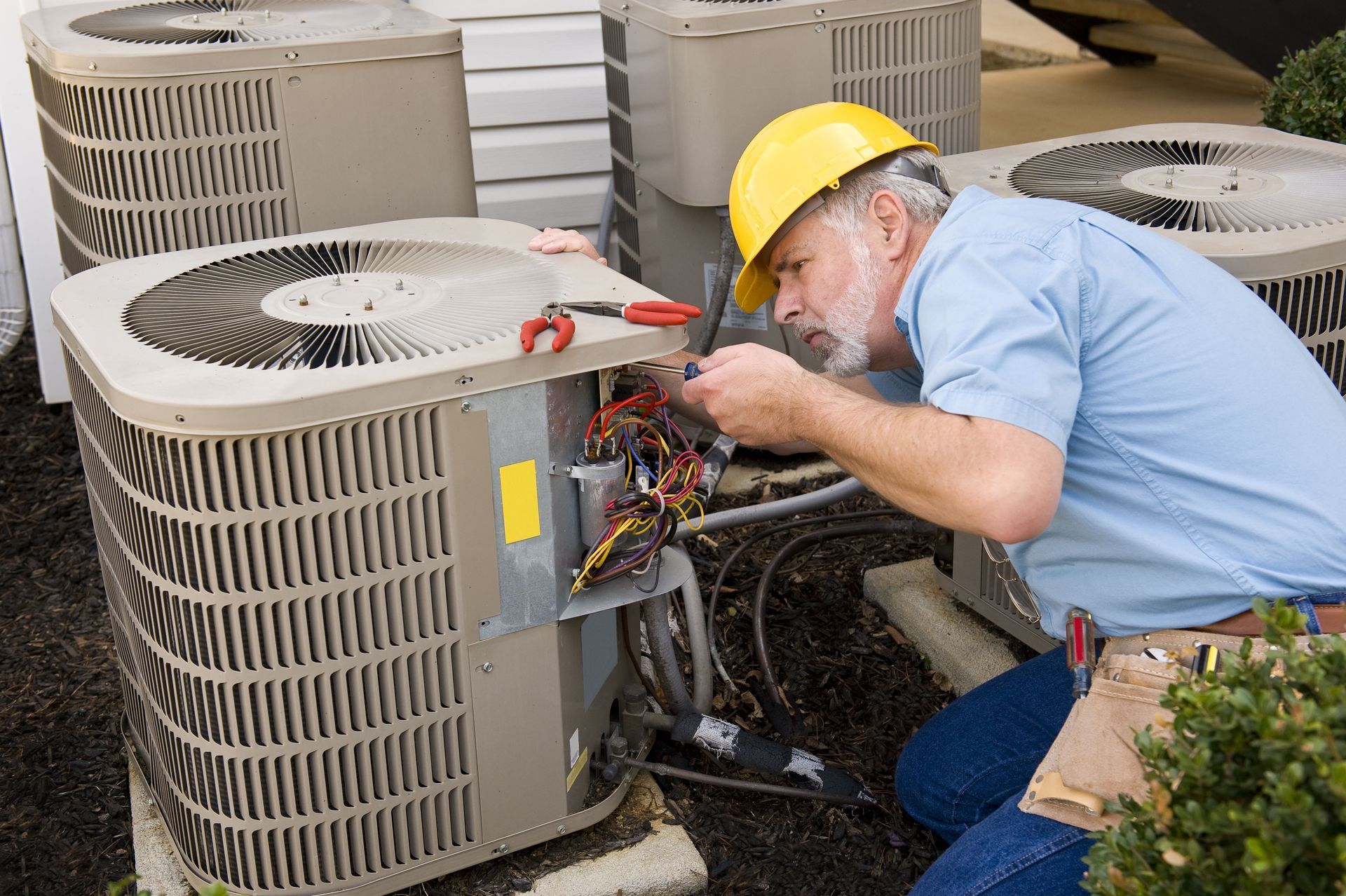
On the other hand, a pungent burning smell often points toward an electrical malfunction or a motor that is overheating. If you smell something similar to ozone or burning plastic, it is vital to shut the system down immediately and seek professional HVAC services. Wiring that has become frayed or connections that have loosened over time can create sparks or excessive heat, posing a potential fire hazard. A thorough inspection of the electrical compartments and the heat exchanger can identify these hidden dangers before they escalate into an emergency for your household.
Experiencing Inconsistent Temperatures Between Rooms
A healthy climate control system should distribute air evenly so that every corner of your home feels equally comfortable. If you find that your bedroom remains chilly while the living room is stifling, your system is struggling to maintain balance. This lack of uniformity often suggests that the ductwork has developed leaks or that the blower motor is no longer strong enough to push air to the furthest reaches of the house. It might also be a sign that your thermostat is malfunctioning and sending incorrect signals to the main unit about when to stop or start.
When you invest in professional HVAC services, a technician can perform a balance test to see where the airflow is failing. They can check for blocked registers, crushed ducts, or dampers that have accidentally closed. Sometimes the issue is rooted in an undersized unit that simply cannot keep up with the square footage of the property, especially if you have recently added an extension. Correcting these airflow issues ensures that you are not overworking the system in an attempt to cool or heat a single stubborn room, which helps extend the lifespan of the equipment.
Observing Unexplained Increases in Utility Costs
It is normal for energy bills to fluctuate slightly as the seasons change, but a sudden and dramatic spike in costs without a change in usage habits is a red flag. When internal components become dirty or worn, the system has to work much harder and run for longer cycles to reach the desired temperature set on the thermostat. This inefficiency manifests directly on your monthly power bill. If you notice that your cooling costs are significantly higher than they were during the same month last year, your equipment is likely losing its operational efficiency.
Restoring that efficiency often requires the specialized cleaning and calibration found in professional HVAC services. Technicians can clean the condenser coils, check refrigerant levels, and ensure that all moving parts are moving with minimal friction. A system that is low on refrigerant, for example, will run almost constantly because it cannot effectively remove heat from the indoor air. By addressing these efficiency drains, you not only lower your monthly overhead but also reduce the carbon footprint of your home by consuming less electricity or fuel.
Identifying Excessive Humidity Levels Indoors
One of the secondary functions of an air conditioning system is to manage the humidity levels within your home. During the warmer months, the system pulls moisture out of the air as it cools it, directing the condensation into a drain line. If your skin feels sticky or you notice a foggy film on your windows while the air conditioner is running, the unit is failing to dehumidify the space properly. High humidity levels can lead to warped wood furniture, peeling wallpaper, and a general feeling of discomfort that makes even a cool room feel oppressive.
Reliable HVAC services can help diagnose why the moisture removal process has stalled. It could be a sign that the evaporator coil is freezing over or that the system is short-cycling, meaning it turns on and off so quickly that it never has a chance to complete a full dehumidification cycle. Ensuring that the humidity stays within a healthy range of thirty to fifty percent is crucial for both your personal comfort and the preservation of your home interior. A technician can also check the condensate drain line to ensure it is not clogged with debris or algae, which could cause water to back up into the house.
Paying attention to these common warning signs is the best way to protect your home and your wallet. Whether it is a strange sound, a rising bill, or a lingering odor, your HVAC system usually provides hints before it stops working entirely. Staying on top of these small indicators ensures that you never have to deal with a total system failure during the hottest or coldest days of the year. Regular maintenance and timely interventions are the keys to a reliable and efficient home. When you suspect that your unit is no longer performing at its peak, do not hesitate to reach out for professional assistance. For expert inspections and dependable repairs, contact Barstow Heating & Air Conditioning LLC.