October 5, 2026
Investing in a brand-new heating and cooling setup is a significant decision that requires careful thought. Whether replacing an outdated unit or installing a system in a new residence, your choices impact daily comfort and long-term energy usage. A modern climate control setup represents a major commitment, and homeowners must weigh several crucial factors before moving forward. From understanding varying equipment types to recognizing the importance of professional installation, gathering accurate information is the essential first step toward a highly successful project. Relying on expert HVAC services ensures you receive the guidance necessary to navigate this landscape. By researching your specific needs, you can secure a reliable system that keeps your indoor environment perfectly conditioned throughout every season.
Exploring Various Equipment Options
The marketplace offers a wide array of climate control solutions designed to meet different household requirements. Central air conditioning and furnace combinations remain popular for properties with existing ductwork, providing consistent temperature regulation throughout the living space. For residences lacking traditional ducts, ductless mini-split units offer an adaptable alternative, allowing homeowners to create specific temperature zones in individual rooms. Heat pumps present another innovative option, utilizing advanced technology to both heat and cool a residence by transferring thermal energy. Understanding the distinct advantages and unique features of these setups is essential for selecting the perfect match. Consulting with professionals who provide comprehensive HVAC services helps clarify the capabilities of each option, ensuring your final selection aligns with your preferences. Comparing these distinct technologies will ultimately lead to a more satisfying climate control experience.
Evaluating Energy Efficiency Ratings
Efficiency is a paramount consideration when browsing for new equipment, directly influencing your monthly utility expenses and environmental footprint. Modern units operate much more effectively and cleanly than older models, utilizing less power to achieve the desired indoor climate. When assessing cooling capabilities, industry standards rely on specific metrics to communicate performance expectations. According to HomeGuide, HVAC systems typically have Seasonal Energy Efficiency Ratio ratings between 13 and 26, depending on the model and manufacturer. Higher ratings indicate superior efficiency, translating to reduced energy consumption during peak periods. Similarly, heating equipment is evaluated based on performance indicators measuring how effectively fuel is converted into warmth. Prioritizing high-efficiency models requires a larger upfront investment, but the subsequent reduction in operational costs justifies the expense. Focusing on these metrics helps homeowners make environmentally conscious choices.
Assessing Home Architecture Requirements
The physical characteristics of your residence play a substantial role in determining which setup will operate most effectively. Square footage, ceiling height, and room layout influence the capacity required to maintain a comfortable indoor environment. An oversized unit frequently cycles on and off far too quickly, leading to unnecessary wear while failing to adequately dehumidify the air. Conversely, an undersized unit struggles continuously to reach the desired thermostat setting, resulting in exorbitant energy bills. Furthermore, the quality of your home insulation significantly impacts how well conditioned air is retained within the living space. Properly sealed windows and attic spaces reduce the overall workload on your equipment. Engaging professionals who deliver expert HVAC services to perform a comprehensive load calculation ensures the chosen unit is perfectly sized for your specific architectural parameters. This careful assessment prevents operational inefficiencies.
Factoring Local Climate Conditions
Regional weather patterns dictate the specific demands placed on your equipment throughout the year. Homes situated in areas experiencing prolonged, intensely hot summers require robust cooling solutions capable of managing high humidity. In these environments, investing in equipment with superior cooling metrics is essential for maintaining comfort and preventing excessive moisture accumulation. Alternatively, residences located in colder regions demand powerful heating mechanisms that reliably combat freezing outdoor temperatures without faltering. For areas with moderate climates, versatile solutions like heat pumps often provide the perfect balance, efficiently managing mild heating and cooling needs as seasons shift. Understanding the unique atmospheric challenges of your specific geographic location allows you to prioritize the features that matter most. Tailoring your equipment choice to the local environment with specialized HVAC services ensures your system will not be overwhelmed by extreme weather events.
Preparing For Professional Installation
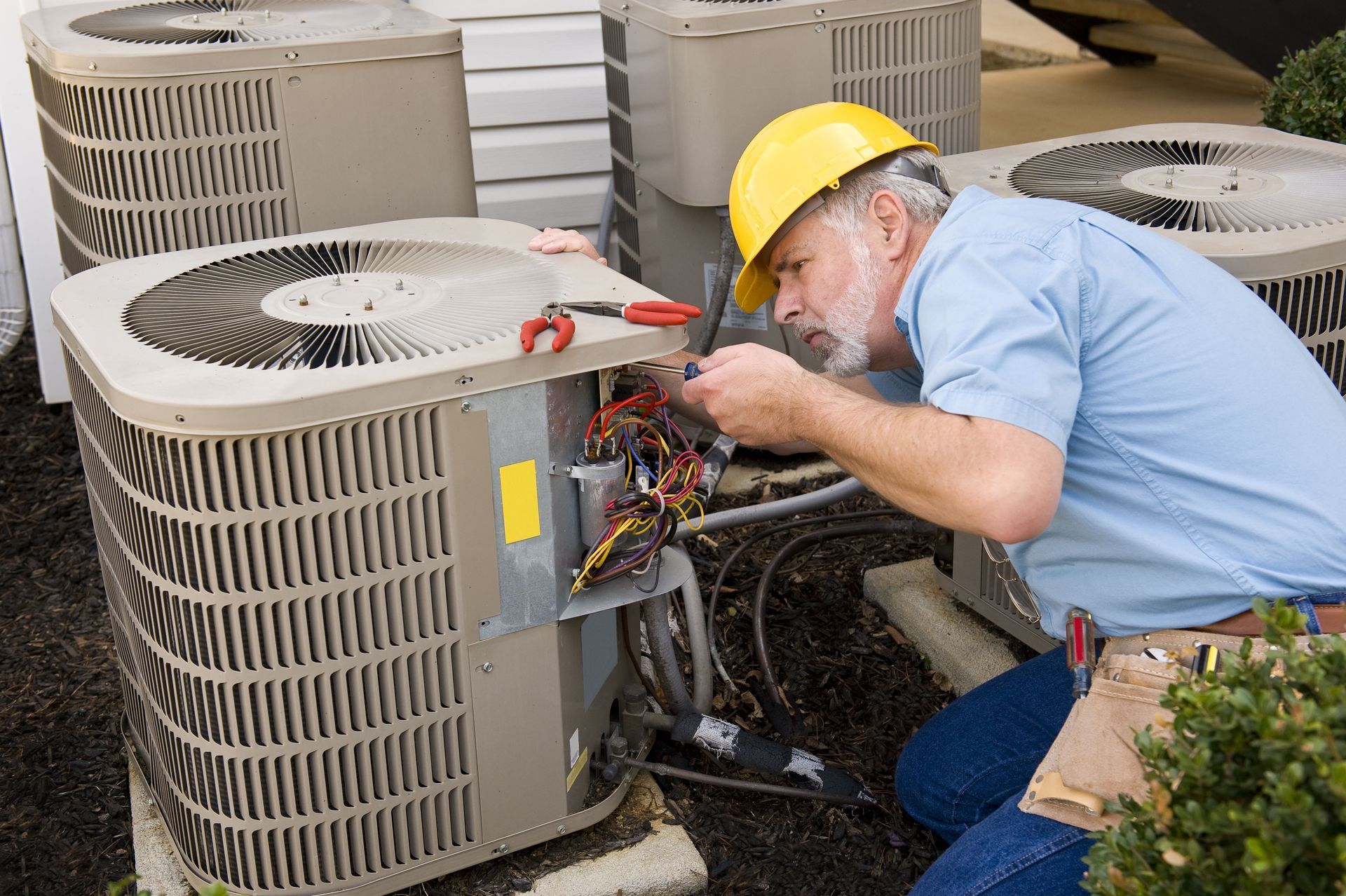
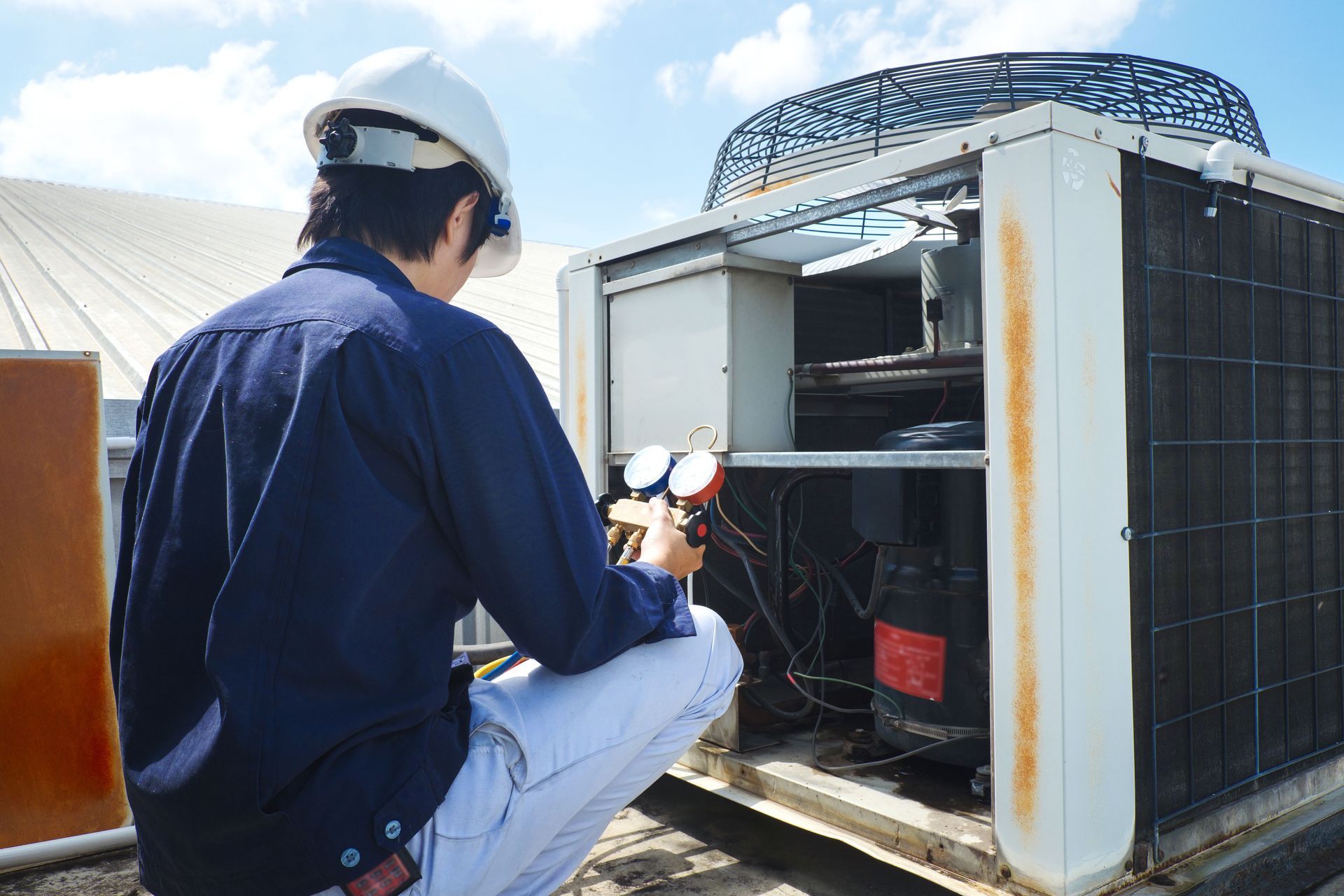
Selecting the ideal equipment is only a single aspect of the journey; proper implementation is critical to the long-term success of your climate control strategy. Even the most advanced unit will fail to perform correctly if installed improperly. The installation process involves complex wiring, secure handling of refrigerants, and precise calibration of internal components. Attempting to manage this delicate process without specialized training can lead to significant safety hazards and void manufacturer warranties. Entrusting this complex task to certified technicians guarantees the equipment is integrated seamlessly into your existing home infrastructure. Reliable HVAC services encompass a thorough inspection of existing ductwork, verifying that all connections are secure and free from leaks that compromise airflow. A meticulous installation process establishes a solid foundation for your new equipment, maximizing its operational lifespan and delivering promised comfort levels.
Scheduling Regular Maintenance Appointments
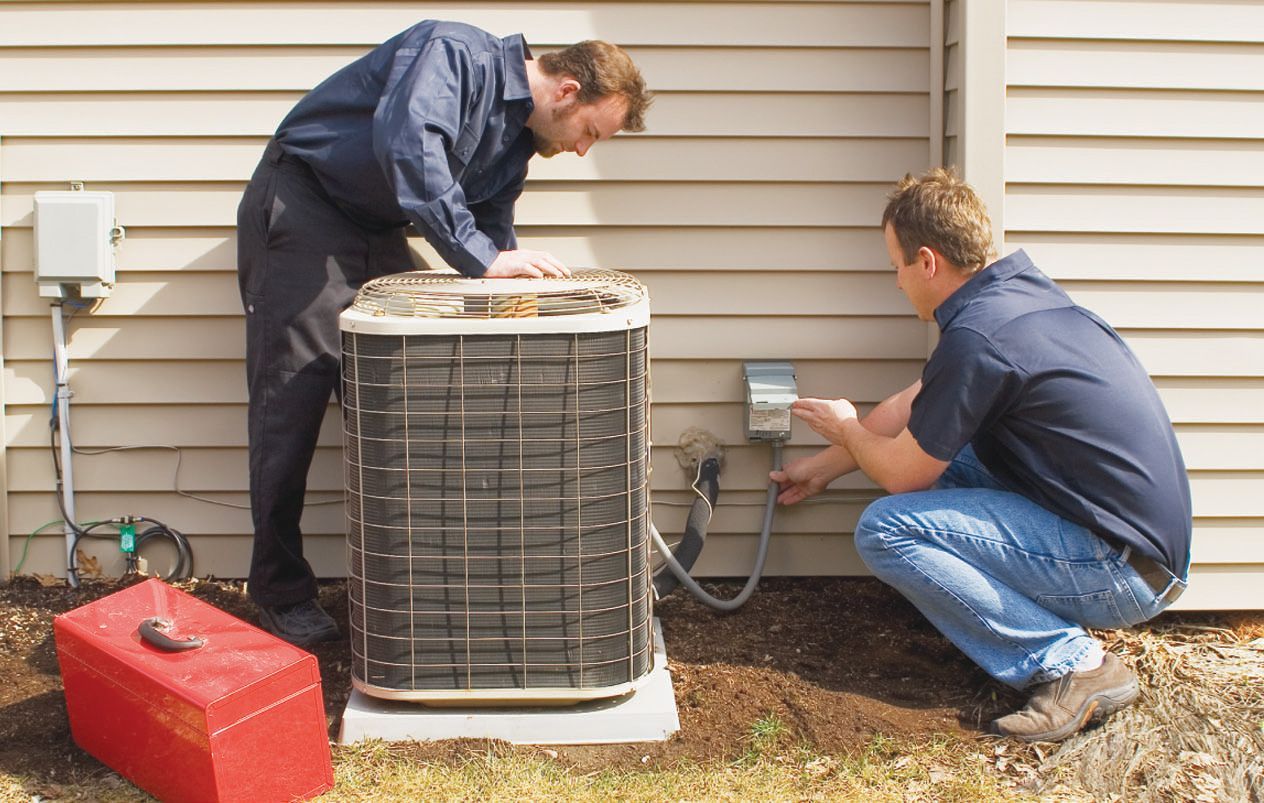
Once your new climate control setup is securely installed and fully operational, establishing a proactive upkeep routine is essential for preserving performance. Routine inspections and tune-ups prevent minor issues from escalating into major malfunctions that require expensive repairs or premature replacements. During a standard maintenance visit, technicians clean essential components, replace soiled air filters, lubricate moving parts, and verify that electrical connections remain secure. This ongoing attention ensures the unit continues operating at peak efficiency, keeping your monthly utility bills as low as possible. Furthermore, consistent upkeep significantly improves indoor air quality by preventing the circulation of dust and airborne particulates. Partnering with a dedicated provider of HVAC services for seasonal tune-ups protects your substantial home improvement investment. Committing to a comprehensive maintenance schedule ensures uninterrupted comfort and absolute peace of mind throughout the operational lifespan.
Recognizing Financial Assistance Opportunities
Upgrading your household climate control infrastructure represents a considerable and important financial commitment, but numerous avenues exist to help offset initial procurement and installation expenses. Many local utility companies offer substantial rebate programs designed to encourage homeowners to transition toward high-efficiency equipment. Additionally, certain tax incentives may be available for individuals who install qualifying eco-conscious systems, significantly reducing the overall financial burden of the project. Manufacturers frequently run promotional financing options, allowing you to distribute the equipment cost over a more manageable timeline without accruing exorbitant interest charges. Navigating these financial incentives can seem overwhelming, but knowledgeable professionals who provide HVAC services are often well-versed in available programs. They can assist you in identifying eligible equipment and compiling necessary documentation to claim rebates. Exploring these opportunities thoroughly ensures you maximize your investment without draining savings.
Taking the plunge and upgrading your home heating and cooling infrastructure is a transformative step toward achieving ultimate indoor comfort and superior energy management. By carefully assessing your specific architectural needs, evaluating performance metrics, and acknowledging the importance of professional implementation, you make a highly informed decision that benefits your household. The right setup effortlessly and quietly adapts to shifting seasonal demands while keeping operational expenses firmly under control. Protecting this investment through diligent maintenance and expert oversight guarantees lasting satisfaction and absolute reliability. If you are ready to enhance your home environment with a state-of-the-art climate control solution, contact Barstow Heating & Air Conditioning LLC today to learn more about the best options for your property.